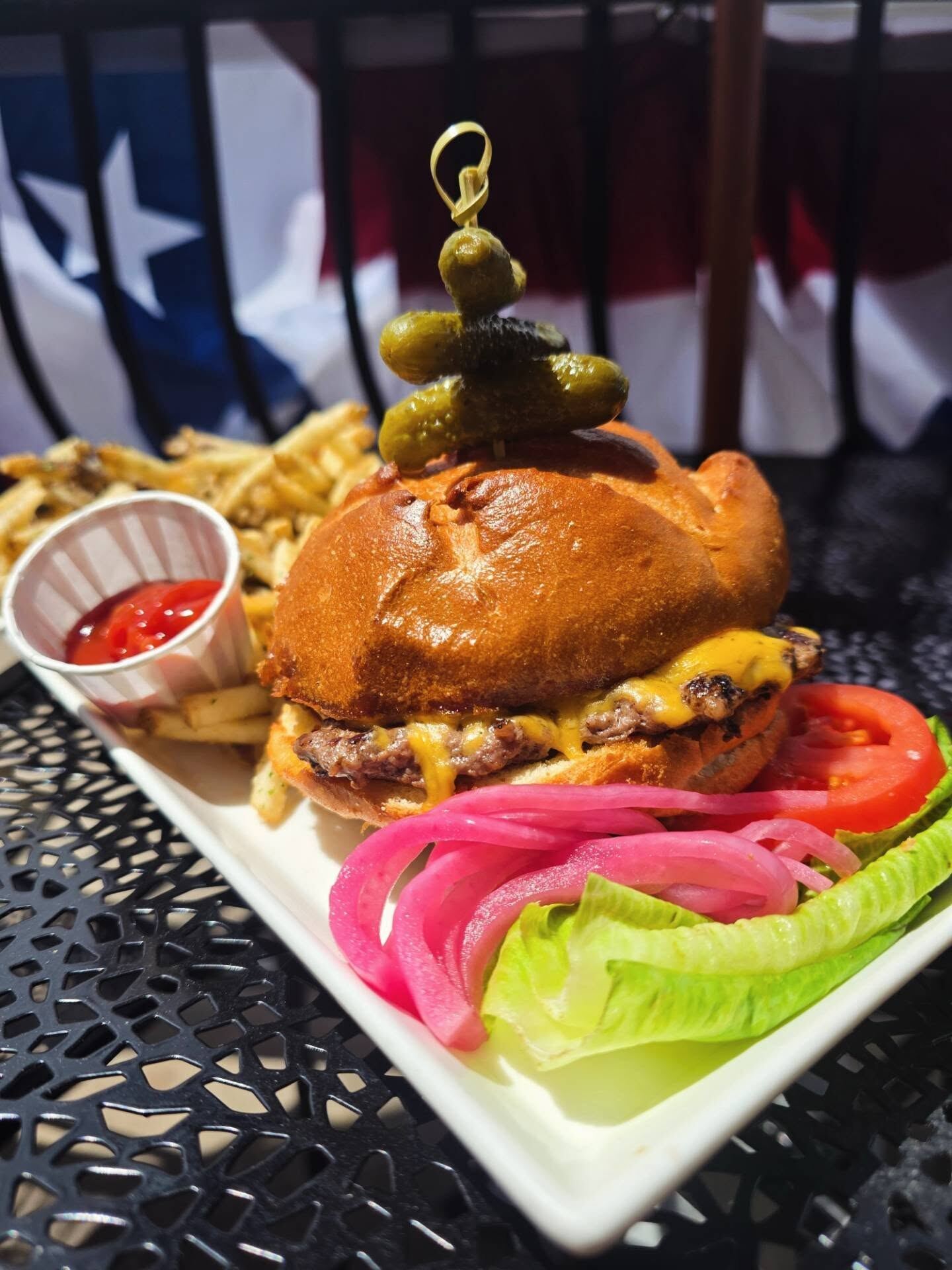
Dry-aged beef cheeseburger at Borracho's
← Back to News Behind the Bar

From Our Family's Ranch to Your Plate

Every steak, burger, and plate of nachos with dry-aged asada on top starts in the same place: our family's own ranch. Not a supplier we like, not a distributor with a nice story on their website — ours.

All of our beef is dry aged, farm to table, with no added hormones and nothing antibiotic in the process. That's not a claim we're making to sound good on a menu. It's just how the ranch has always run.

Why Dry-Aged, Why Family-Raised

Dry-aging takes time most kitchens aren't willing to give up. Whole cuts hang in a controlled, cold environment for weeks — not days — while moisture slowly leaves the meat. What's left behind is more concentrated: deeper flavor, a firmer bite, that faintly nutty edge you only get from beef that was given the time to actually become what it is. There's no shortcut version of that. Either the cut hung long enough, or it didn't.

Raising it ourselves means we control that story from the very beginning, not just the final step before it hits the grill. We know how the animal was raised and whether it was rushed. Most places buying beef off a truck can't tell you any of that with a straight face. We can, because we were there for all of it.

It also means we're not at the mercy of whatever a distributor decides to ship us that week. The cut you order tonight is the same cut we'd have served you a year ago, and the same one we'll serve next year — not because we found a good supplier, but because we don't have one to lose.
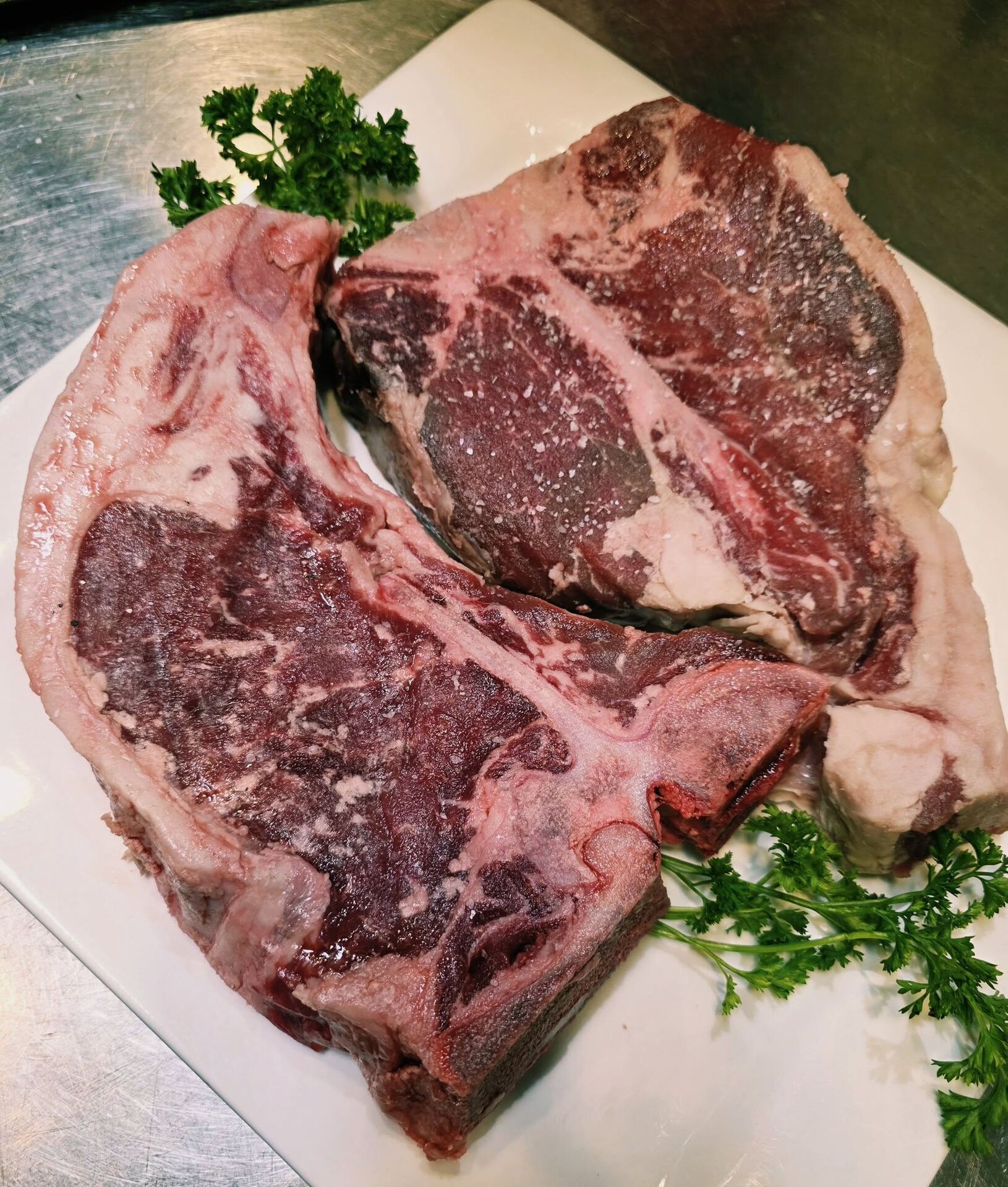
Raw dry-aged, bone-in steaks from Borracho's family ranchBefore the flameDry-aged, salted, ready to go on
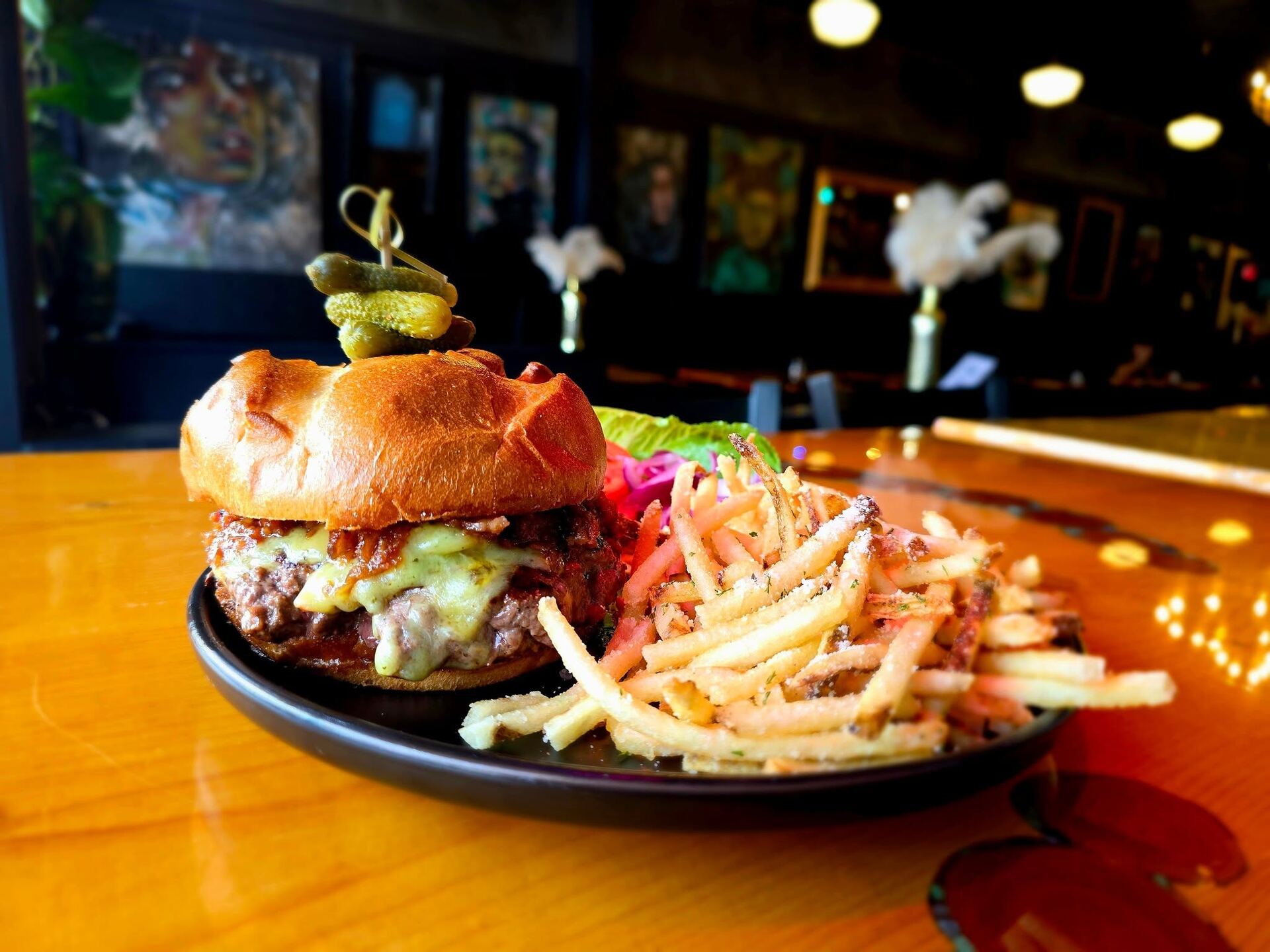
Green chile cheeseburger made from Borracho's family-ranch beefAfter the flameSame beef, same ranch, further down the line

That's what it looks like on both ends. Whole, bone-in cuts, salted and resting before anything touches a flame — no styling trick, just what dry-aged beef actually looks like before a kitchen does anything to it. And then this: stacked, melted, dressed, sent out the pass. Same animal, same ranch, just further down the line.

You can taste the difference between an animal that had a good, unhurried life and one that didn't. We'd rather you taste ours.

Where You'll Find It

It's not one showcase dish — it's the backbone of the menu. The Ribeye and Sirloin off the Market Price Steaks list. The Vato and Hipster Burgers. The dry-aged asada and ground beef options on the Borracho Nachos and Blue Corn Tacos. If beef's on your plate here, it's from the same place, raised the same way.

We'd rather earn that reputation slowly, one plate at a time, than print it on a menu and hope nobody asks a follow-up question. Ask us anyway. We like the question.

It's a longer road than just calling a distributor, and it means we can't always say yes to every idea that shows up on a food blog. But it's the road that lets us stand behind every plate that leaves this kitchen, and that trade has always been worth it to us.

Note for Ryan & Sara: This post is a draft built around the one confirmed detail already on your printed menu (dry-aged, farm to table, no added hormones, antibiotic free, family ranch). The real story — your ranch's name, where it is, how long it's been in the family, the breed, anything about how you actually raise the herd — isn't something we could invent, so we left it out on purpose. Send over the real details and we'll drop them right in before this goes live.